Netflix’s September 21 schedule brings back The Real Bling Ring: Hollywood Heist, a three-part documentary about the Los Angeles burglaries that became an early social-media spectacle. The series is built around the people who were there, but its most useful subject is the culture that made celebrity access feel like a form of currency.
A familiar scandal with a different frame
The burglaries took place more than a decade ago, when a group of teenagers targeted the homes of celebrities including Paris Hilton, Lindsay Lohan, Orlando Bloom and Audrina Patridge. The story moved from police reports to a Vanity Fair article, then to a book and a Hollywood film. Netflix’s documentary adds another layer by giving central participants Alexis Haines and Nick Norgo room to tell their own versions of what happened.
That first-person access creates drama, but it also demands care. The official Tudum preview describes the accounts as conflicting, and the series itself opens with a warning that some scenes are dramatized and that the record includes police reports, court records and contradictory testimony. Viewers should treat interviews as testimony and context rather than as a replacement for the legal record.
What the three episodes cover
The Netflix episode guide divides the story into three clear movements. “The Fame Game” follows the fascination with early-2000s celebrity culture and the point at which casual theft becomes a pattern. “Fame, Fortune and Felony” turns to the expanding targets and the personal cost of the crimes, including an interview with Patridge about being robbed. “Fame and Misfortune” follows the investigation, arrests and the media attention that came after.
The structure gives the series a useful rhythm. It starts with desire, moves through escalation and ends with consequences. That arc is familiar in true crime, yet the subject’s social-media history makes the progression feel current: visibility, access and status are still intertwined online, even when the tools have changed.
Why the social-media angle still matters
Netflix’s media-center synopsis calls the Bling Ring a cautionary tale about a fame-obsessed culture meeting the rise of social media. The wording matters because the series is not only a catalog of stolen goods. It asks how online visibility can collapse the distance between a viewer, a fan and a target.
That question extends beyond celebrity homes. Public posts can reveal routines, locations and relationships in ways that feel harmless in isolation. The documentary’s early-2000s setting makes the lesson easier to see because the technology now looks dated. The underlying behavior does not.
How to watch without turning harm into spectacle
A responsible viewing approach keeps the people who were harmed in frame. The thefts affected the victims’ sense of safety and privacy, while the teenagers involved faced criminal cases, jail time and years of public attention. The series includes several perspectives, but no documentary can restore what was taken or settle every disputed memory.
It is also worth separating production facts from interpretation. Netflix identifies Miles Blayden-Ryall as director and series producer and lists interviews with Haines, Norgo, Andrea Arlington-Dunne, Gabrielle Hames, Patridge and Perez Hilton. Those credits tell viewers who is speaking; they do not, on their own, prove every claim made in an interview.
The reason to press play now
The Real Bling Ring: Hollywood Heist arrives as a compact case study in the link between celebrity culture, online attention and personal boundaries. Its three-episode design makes the timeline easy to follow, while the competing accounts leave space for viewers to ask what is documented, what is remembered and what has been shaped for television.
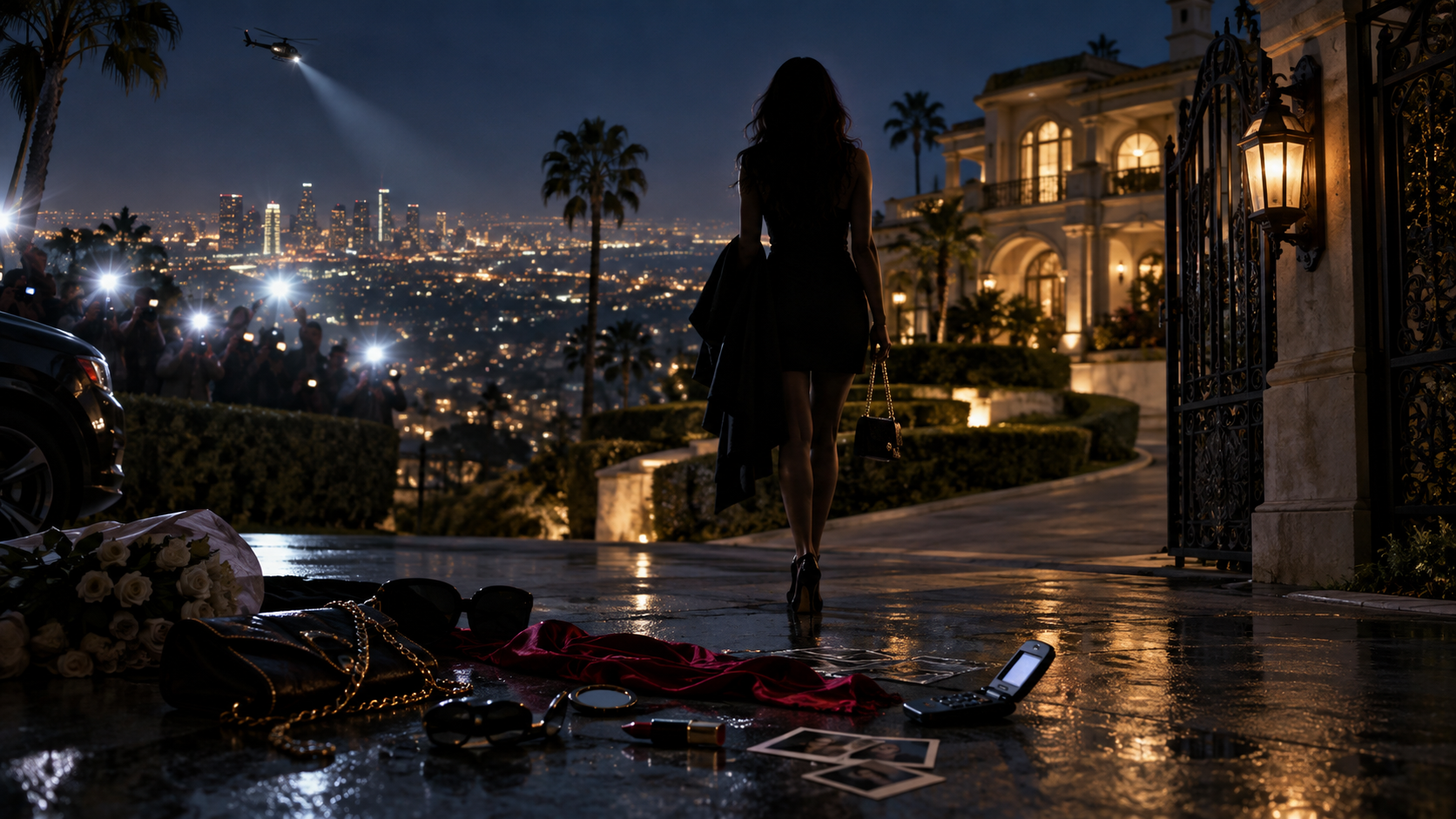
This review is based on Netflix’s published program information and is not a substitute for court records. The feature image is an AI-generated editorial illustration and does not depict real people or locations.