Fashion photographs tend to reward the front of an outfit. That is where the face is, where the pose is, where a look is easiest to identify at a glance. But the back often tells the more interesting story.
A jacket’s shoulder line, the fall of a hem, a seam that changes the shape of a waist, or the way a coat moves when someone turns away can reveal the actual intelligence of a garment. These are the details that survive after a trend has finished circulating.
Construction has a point of view
Clothes communicate through proportion long before they communicate through a logo. A strong back vent can make a long coat feel lighter. A gathered shoulder can change how a dress moves through a room. A small adjustment to where a sleeve begins can make an ordinary shirt look intentional.
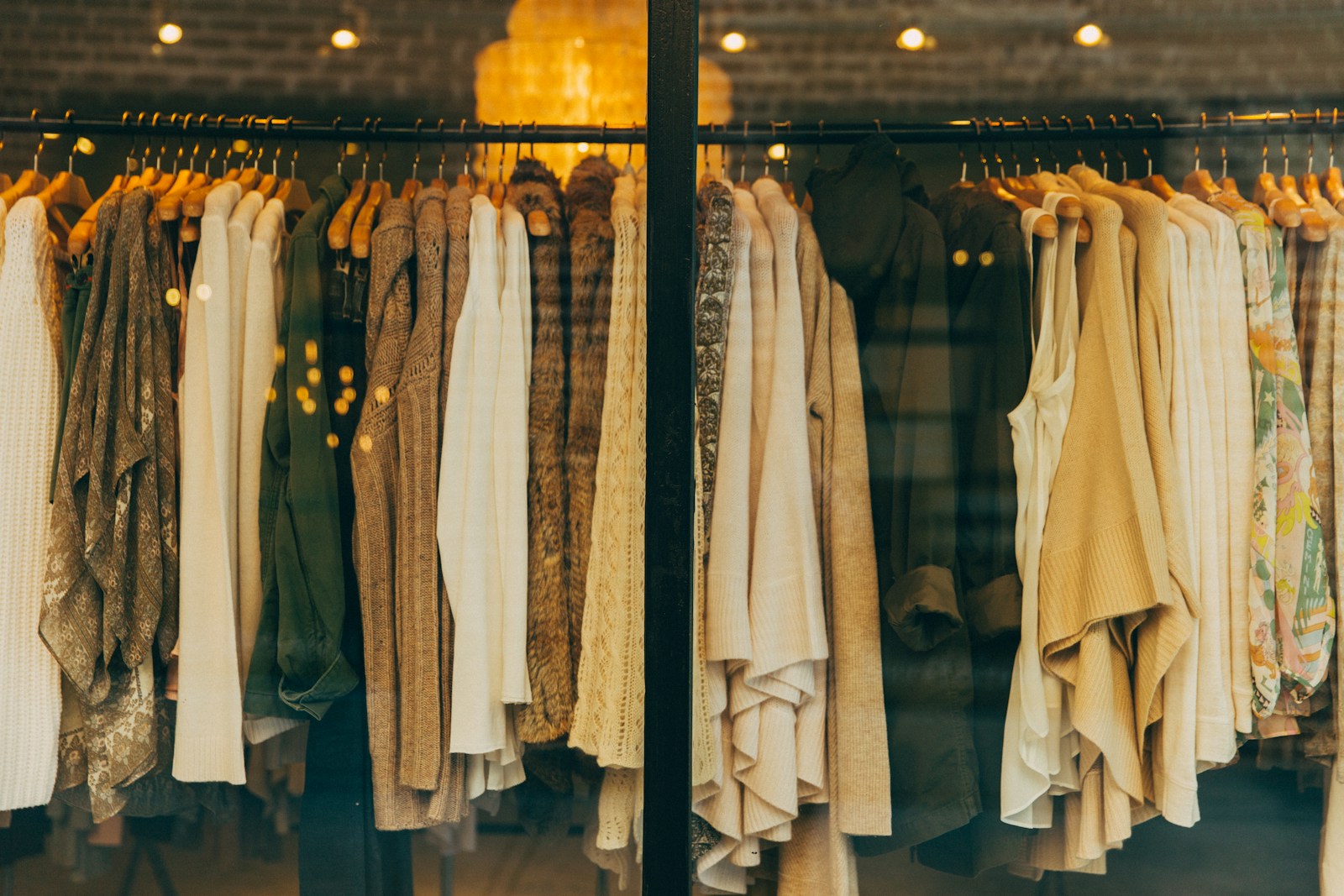
None of this requires a fashion degree to notice. The next time a red-carpet image or street-style photograph catches your eye, look for the second image in the carousel. It is often the one taken from behind, when the person is walking instead of performing for the camera. That is when the silhouette has to work on its own.
The appeal of a look that moves
Style is frequently discussed as if it is a still image. In real life, it is choreography. We turn, sit, reach for a bag, walk up stairs, and move through crowds. The best clothes have an answer for motion. They hold their shape without becoming stiff, and they reveal something new when the wearer is no longer facing forward.
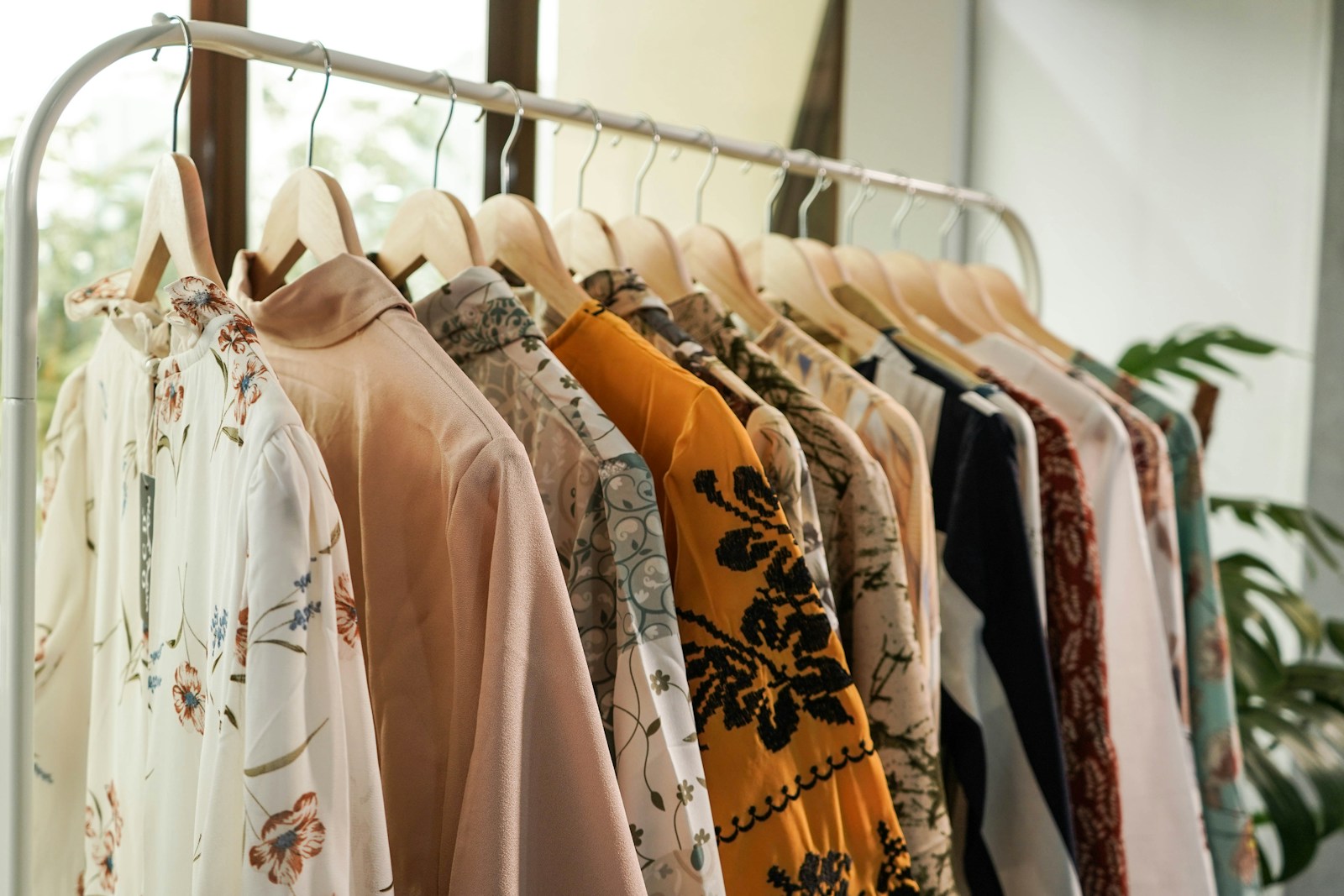
This is why tailoring remains relevant even in a casual wardrobe. The goal is not to make everything formal. It is to make the line of a garment feel considered. A slightly shorter jacket, a trouser that breaks at the right point, or a knit with a good shoulder can carry more style than a closet full of novelty pieces.
Try the three-photo test
Before buying a statement item, look for three views: front, side, and back. If the garment only works from one angle, it may be asking the wearer to do too much of the work. If it holds together from all three, it is likely built around a stronger idea.
That test is useful because it shifts attention from the quick hit of an outfit to the reasons it lasts. The back of a look does not compete for attention. It earns it.